
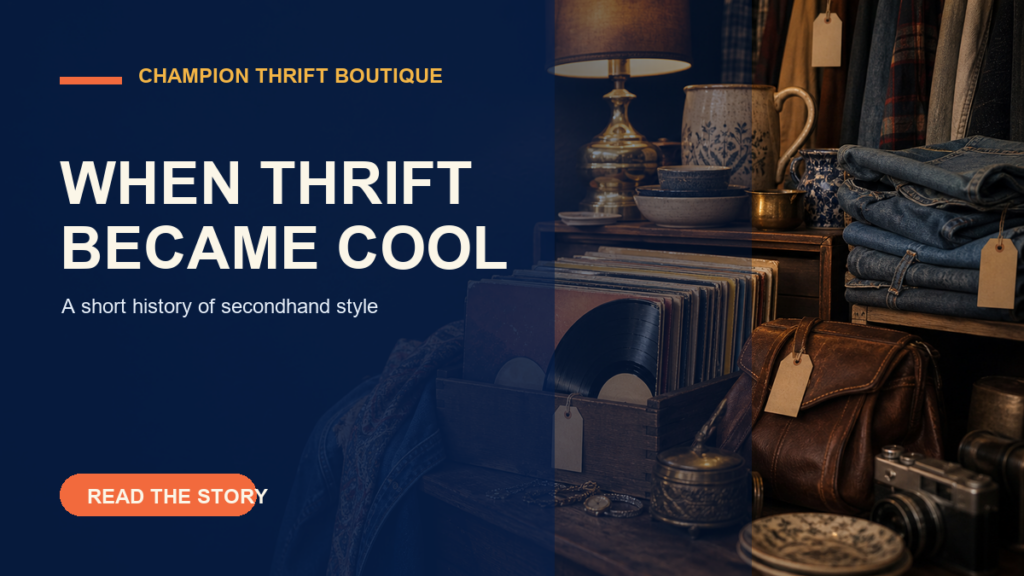
Records and collectibles make thrift shopping feel like time travel. One shelf can hold a childhood toy, a sports card, a movie tie-in, a stack of vinyl, a mug from a long-gone event, and a piece of decor that makes no sense until someone loves it. The fun is real. So is the need to inspect before buying.
For Vinyl, Check More Than the Cover
A great album cover can hide a rough record. Pull the vinyl out carefully and look under light. Scratches, warping, heavy dust, and deep scuffs matter. A little surface wear may be acceptable depending on the price and your setup. A warped record may not play correctly. Missing inner sleeves, water damage, and moldy smell are also warning signs.
If you are buying to listen, condition matters more than rarity. If you are buying for display, the cover may matter more. Know your purpose. A display record and a listening record are not always the same purchase.
For Toys and Sets, Look for Completeness
Building sets, action figures, dolls, and boxed collectibles can be tricky because small missing pieces change value and enjoyment. If a set is sealed, inspect the packaging. If it is open, look for instructions, accessories, figures, and parts. Ask whether the missing pieces matter to you. Sometimes they do not. Sometimes they are the whole point.
Pop-culture items move in waves. Something can be trendy because of a new movie, anniversary, sports moment, or social media revival. That does not mean every item is valuable. Buy what you understand, what you enjoy, and what is priced reasonably for its condition.
Sports Cards Need a Calm Eye
Cards can be emotional. A familiar player or team can make a shopper move fast. Slow down. Check corners, edges, centering, surface, year, brand, and whether the card has been protected. Most cards are not retirement plans, and that is fine. They can still be fun, decorative, nostalgic, or meaningful.
If serious value is involved, research before buying. For casual collecting, choose pieces that make you happy even if the market never cares.
Use Nostalgia Without Letting It Drive
Nostalgia is powerful because it feels personal. That old cartoon character, sports logo, album, or toy can pull you back fast. The best thrift shoppers enjoy that feeling without letting it take over the budget. Ask where the collectible will live. Will it be displayed, gifted, used, played, or stored in a box?
A collectible that goes straight into a forgotten drawer is not much of a find. A record you play, a card you frame, or a toy that makes a shelf feel more like you can be worth far more than its resale value.
For more on shopping without bringing home clutter, see our guide to thrifted decor that stays intentional.
Learn the Difference Between Value and Enjoyment
Collectors sometimes talk as if everything is an investment. Most thrifted collectibles are better understood as enjoyment purchases. A record you play, a toy you display, or a card that reminds you of a season of life can be worth buying even if it never becomes valuable. The problem starts when shoppers pay investment prices without investment-level knowledge.
If resale value matters, research before buying. Check sold prices, not only asking prices. Look at condition. Learn which editions, pressings, years, or variations matter. If enjoyment matters more, set a comfortable budget and choose pieces you will actually see, hear, or use.
Inspect Packaging Without Worshiping It
Original packaging can affect collectible value, but it is not the only reason to buy. A boxed toy may be better for a collector. A loose figure may be better for someone creating a playful shelf. A record with a worn jacket may still sound good. A sports card with soft corners may still be meaningful to a fan.
Decide whether you are collecting, decorating, gifting, or simply enjoying nostalgia. That decision changes what condition is acceptable.
Keep the Collection Edited
Collectibles become clutter when every item is treated as equally special. Display the strongest pieces. Store fragile items safely. Let go of duplicates or pieces that no longer fit. A small edited collection often has more impact than a crowded shelf where nothing can be seen.
If you are building a collection from thrift stores, take photos of what you own. That prevents accidental duplicates and helps you shop with intention. The hunt stays fun when the collection still has room to breathe.
Set a Display Limit Before You Buy
One practical trick is to decide where collectibles will live before you bring them home. A single shelf, record crate, shadow box, or small wall area creates a natural limit. When the space is full, the collection has to improve rather than simply grow. That keeps the hobby enjoyable and prevents every nostalgic object from becoming permanent.
Limits also make shopping sharper. You start asking whether a piece is better than what you already own, not merely whether it is amusing in the moment. That question is what turns casual collecting into a collection with taste.
This blogpost is provided by Daniel K., a freelance writer contracted through Kallos Design and Marketing.